
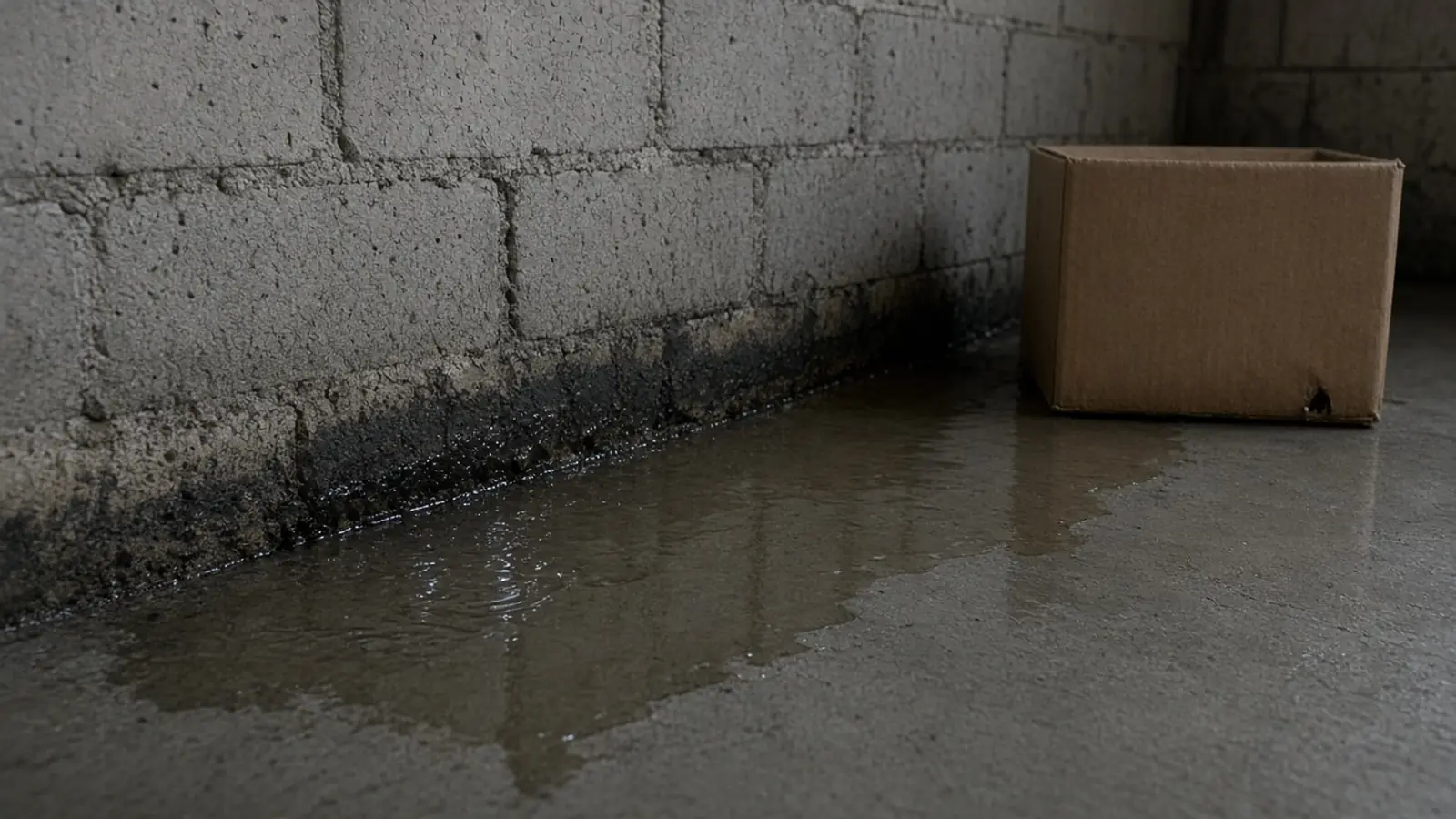
Wet basement repair in Rochester, NY means finding where water gets in, whether that is the cove joint, a crack, a block wall, a pipe penetration, a window or the floor, and fixing the cause rather than just drying the symptom. Call our referral line (number coming soon) and we connect you with an independent local contractor that diagnoses and repairs basement leaks in your area.
Where does basement water come from?
Almost every wet basement in Monroe County traces back to one or more of these:
- The cove joint. Where the wall sits on the footing and the floor was poured against it. Under pressure, water rises through this seam first. It shows up as a wet band all around the floor edge.
- Block walls. Concrete block is hollow. Water fills the cores and leaks out at the bottom course, through mortar joints and around pipes.
- Cracks. Poured walls leak through shrinkage cracks; see foundation crack repair.
- Penetrations. The water line, sewer line, gas line or old oil fill pipe through the wall.
- Windows and wells. A window well with no drain becomes a bucket. Water comes in over the sill.
- The floor. Water pushed up through floor cracks or an old floor drain when groundwater is high.
- Surface water. Short downspouts, grading that slopes toward the house, or a driveway that drains against the wall.
Why Rochester basements get wet in spring
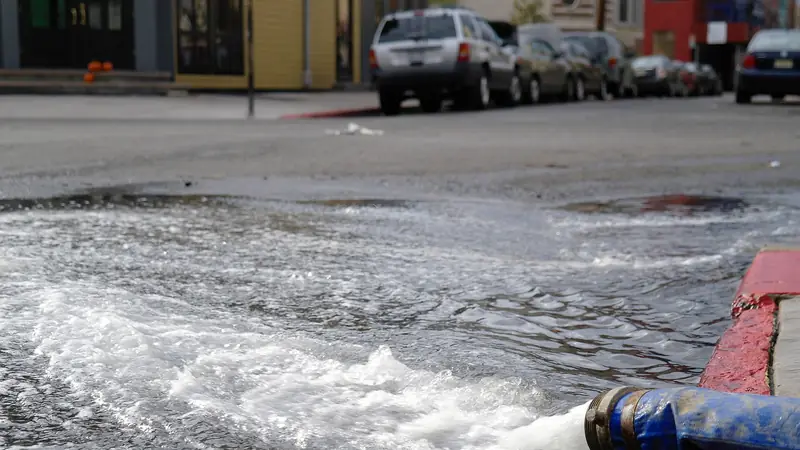
The worst weeks are usually March and April. The snowpack from a winter that averages about 102 inches at the airport melts into soil that is still frozen a short way down, so the water cannot drain away. Rain on top of melting snow makes it worse. Neighborhoods near the Genesee River, the low ground around Genesee Valley Park and homes near the lake in Charlotte often see the highest water tables. Summer brings a second problem: thunderstorms that drop a lot of rain in an hour, overwhelming gutters, downspouts and window wells.
Diagnose before you spend
A good contractor starts by asking questions and looking outside as well as inside. When does the water show up? After rain, after snowmelt, or all the time? Is it one wall or all of them? Is it at the floor line, partway up the wall, or coming over a window sill? Where do the downspouts end? Which way does the yard slope?
The answers point to very different fixes:
- Surface water at one wall: downspout extensions, regrading or window well drains, usually a much smaller job than a drainage system.
- A single leaking crack: injection.
- Water at the floor line around much of the basement: an interior perimeter drain and sump.
- Severe wall seepage, or a wall that needs to be kept dry for finishing: exterior foundation waterproofing.
If two contractors propose very different systems, that is normal, but each should be able to explain where they think the water enters and why their fix addresses it.
Mold, smell and humidity
Water that sits for more than a day or two can feed mold on cardboard, carpet, drywall and wood. The EPA's mold guidance says the key is controlling moisture, and recommends drying wet materials within 24 to 48 hours. After the leak is fixed, most Rochester basements also benefit from a dehumidifier in the humid summer months. If there is visible mold over a large area, ask about cleanup separately from the waterproofing.
What to have ready when you call
Photos of where the water appears, roughly when it started, whether you have a sump pump, the age of the house and the wall type if you know it. Your ZIP code helps us find a contractor that works in your town. For tips you can try before calling, see our guide to downspouts and grading for a drier basement.
We take calls from all over the county, including Gates and Chili, where many homes sit on low, flat ground near Little Black Creek and Black Creek.
Questions homeowners ask
Why is my basement wet only along one wall?
One wet wall usually points to something outside that wall, such as a downspout dumping water nearby, soil sloping toward the house, a driveway or patio draining against the foundation, a clogged section of footing drain, or a leaking window well. Check the outside of that wall after the next rain before deciding on a bigger system.
Is a damp basement the same as a leaking basement?
Not always. Damp walls and floors in summer are often condensation, when humid outdoor air meets cool concrete. A leak brings liquid water in from the soil, usually after rain or snowmelt. Taping a square of plastic to the wall for a day or two can help tell them apart: moisture under the plastic points to seepage, moisture on top points to condensation.
Does homeowners insurance cover a wet basement?
Policies differ. Many standard policies exclude groundwater seepage and flooding, while some cover sudden pipe bursts, and some offer an endorsement for sump or sewer backup. Flood insurance is a separate policy. Read your own policy or ask your agent before assuming anything is covered.
What should I do right after my basement gets water in it?
Stay safe first. Keep away from standing water near outlets or appliances and call an electrician or the utility if needed. Move belongings up, photograph the damage, and start drying with fans and a dehumidifier. Remove soaked cardboard, carpet and other porous items quickly to limit mold, then call to find the cause.