
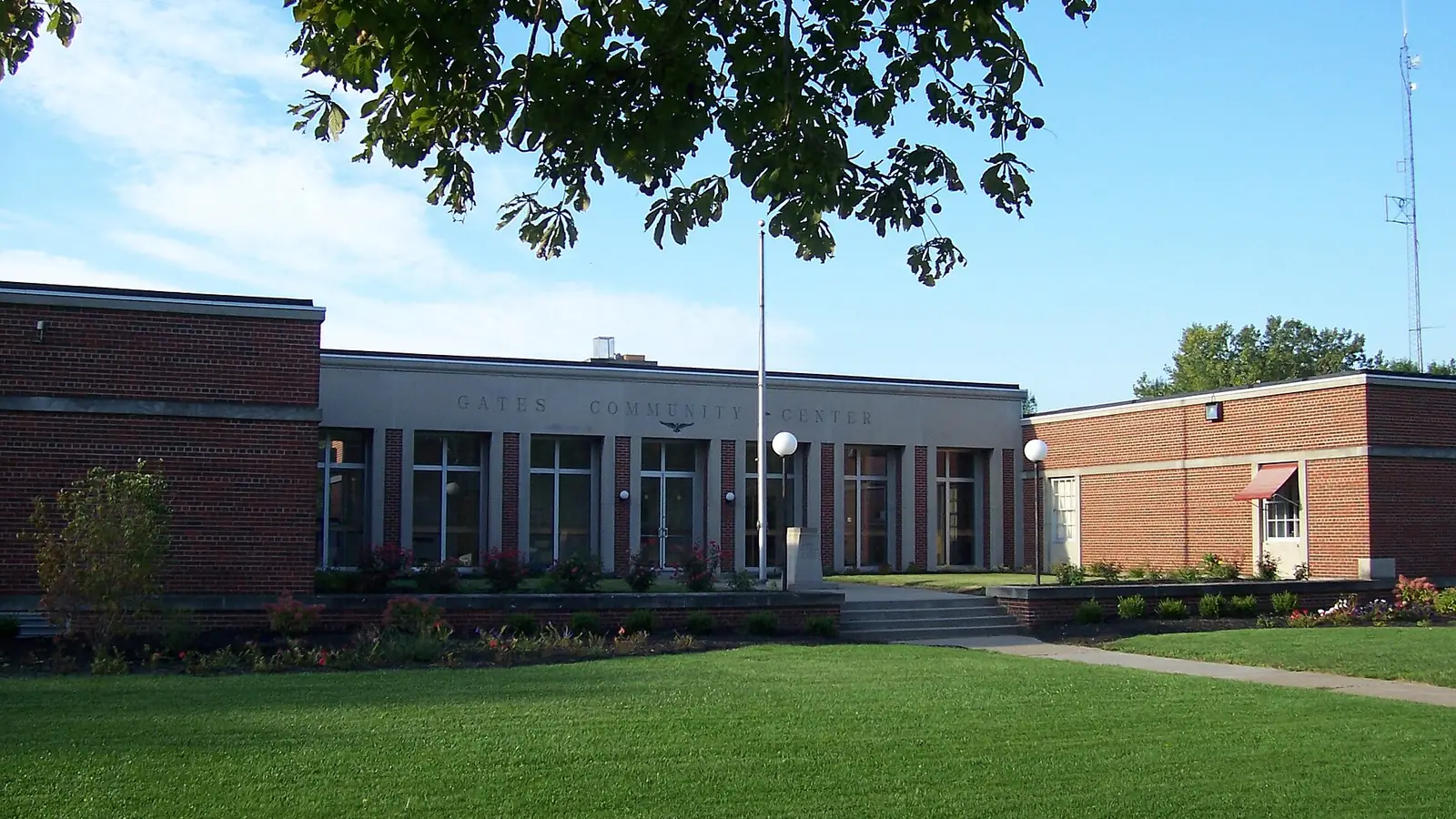
Basement waterproofing in Gates, NY usually means drying out postwar block basements with failing footing drains, managing groundwater in the low areas near Little Black Creek, and keeping sump pumps running through wet springs and winter power outages. Call our referral line (number coming soon) and we connect you with an independent local contractor that works in Gates.
A postwar suburb on the west side
Gates borders the City of Rochester on the west, and much of it was built in the years after World War II, as families moved out along Buffalo Road, Lyell Avenue, Spencerport Road and Chili Avenue. Streets of capes, ranches and split-levels fill the space between commercial corridors. The town's parks include Memorial Park on Spencerport Road in North Gates, with its fields and pond, and Westgate Park on Howard Road in the southeast corner of town.
In southwestern Gates, Little Black Creek winds through a floodplain the town has long treated as open space. Like most of Monroe County, Gates gets heavy snow and a spring thaw that saturates the ground, and its land is generally flat, so water drains slowly.
What goes wrong in Gates basements
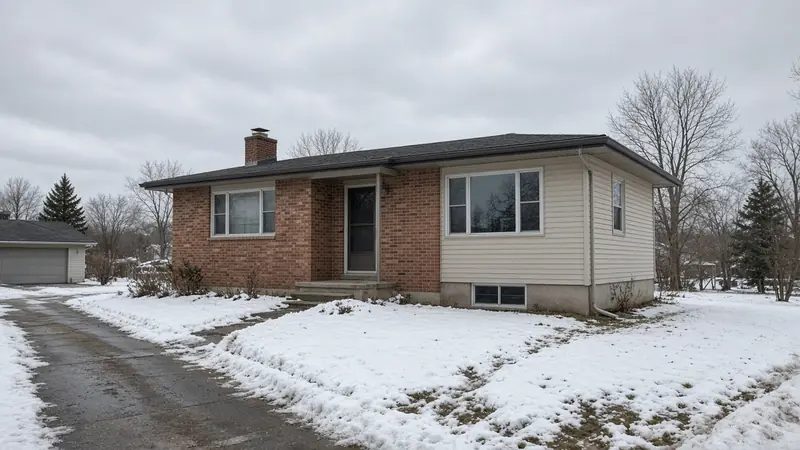
The pattern in many Gates homes is consistent:
- Block walls. Hollow concrete block fills with water during the thaw, then leaks out at the bottom course and along mortar joints.
- Failed footing drains. Original clay tile drains crack, separate or fill with silt, so water that used to be carried away sits against the wall.
- Water at the cove joint. A damp or wet band all the way around the floor edge in March and April.
- Horizontal cracks. Frost and wet soil push block walls inward over time. See bowing basement wall repair.
- Sumps added later. Many homes had sumps added decades after they were built, sometimes without a sealed lid, check valve or proper discharge.
For most of these homes, the long-term fix is an interior perimeter drain with weep holes feeding a sealed basin and a reliable sump pump with a backup. Where only one wall leaks, a partial system or exterior work on that wall may be enough.
Little Black Creek and low ground
Homes on low ground near Little Black Creek face a higher water table in spring and after long storms. On those lots, the sump is the most important part of the system: it needs to be sized for long run times, discharge well away from the house, and keep running if the power goes out. Check your flood zone on FEMA's Flood Map Service Center before finishing a basement in that part of town.
Simple fixes first
Before investing in a full system, do the inexpensive things. Extend downspouts several feet from the house. Rebuild settled soil so it slopes away from the foundation. Keep snow from piling against basement walls. Clear window well drains. Seal around pipes that come through the wall. Some Gates basements that leak in only one spot need nothing more.
Flat parks, flat yards
You can see how Gates handles water in its own parks. The town describes Memorial Park as relatively flat, with a shallow, marshy pond and a small stream. Many Gates backyards share that character. With little slope, rain and snowmelt soak in slowly, and water that reaches the foundation tends to sit there. That makes short downspouts, settled soil along the wall and blocked footing drains more of a problem here than in hillier towns.
Before you call, walk the outside of the house after a heavy rain. Note where water puddles, which downspouts empty right at the wall and whether the soil slopes toward the house anywhere. Share those notes with the contractor. They help separate problems you can fix yourself from ones that need a drain or a sump.
Permits in Gates
The Town of Gates has its own building department. Structural wall repair, new egress openings and drainage connections can require permits. A contractor working in Gates should handle that with you.
Nearby
South of Gates we take calls in Chili, and to the north in Greece. See every town on our service areas page.
Questions homeowners ask
Why are wet basements common in older Gates neighborhoods?
Many Gates homes from the postwar decades have concrete block walls and clay tile footing drains. After sixty or seventy years, those drains are often clogged or broken, and block walls let water through their hollow cores. Spring snowmelt on flat, slow-draining ground then pushes water in at the floor line.
Does living near Little Black Creek affect my basement in Gates?
Homes on low ground near Little Black Creek and its floodplain can see higher groundwater in spring and after long rains, and some areas are mapped flood zones. Check FEMA's flood maps for your address and talk with a contractor about pump capacity and backup before investing in a finished basement.
Can I redirect my sump pump into the sewer in Gates?
No. Under the Monroe County sewer use law, groundwater and foundation drain water from a sump should not go into the sanitary sewer without permission. It needs to discharge to the yard, a dry well, or a storm connection if the town allows one. Ask the town's public works department if you are unsure where yours goes.