

Basement waterproofing in Chili, NY usually means managing slow-draining, often saturated ground near Black Creek and the Genesee River, keeping sump pumps working through wet springs, and fixing seepage in block and poured basements across the town's neighborhoods. Call our referral line (number coming soon) and we connect you with an independent local contractor that works in Chili.
Flat land, creeks and a river
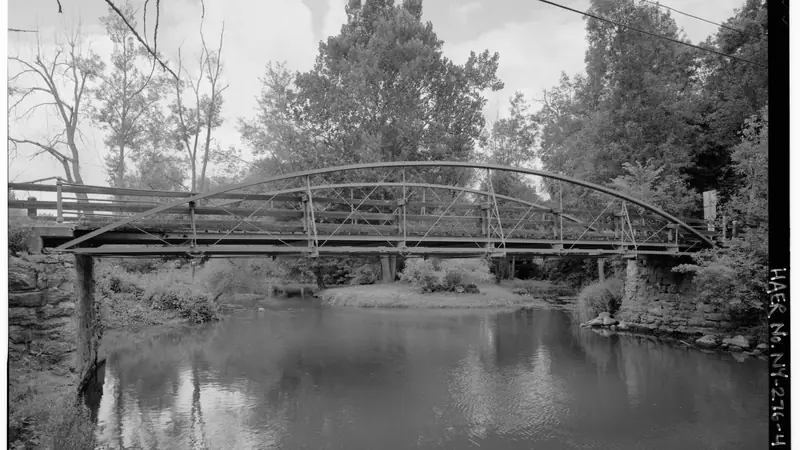
Chili sits southwest of the city, with the Genesee River along its eastern edge and Black Creek winding across the town. Black Creek Park, a large Monroe County park, protects woods, fields and wetlands along the creek. At Chili Center, the old Chili Mills bridge over Black Creek on Stuart Road recalls the mills that once ran on its water. In North Chili, Roberts Wesleyan University has been part of the community for well over a century.
Most of Chili is flat. Neighborhoods grew along Chili Avenue (Route 33A), Paul Road and Union Street, with homes from the postwar decades and newer subdivisions farther out. Flat ground and creek-side soils hold water, and in spring the water table rises across much of town.
Typical Chili basement problems
- High water table in spring. Sump pumps that run constantly for weeks after the thaw. See sump pump installation and repair.
- Water at the cove joint. Seepage around the floor edge where footing drains have silted up or failed.
- Block wall leaks in postwar homes, with efflorescence and peeling paint on the lower courses.
- Poured-wall cracks that leak in newer homes. See foundation crack repair.
- Frozen sump discharge lines on long, flat runs across the yard.
- Window wells that flood when the ground around them is already full.
Why the sump matters most
On flat, wet ground, a sump pump is often the hardest-working appliance in the house. When it fails, water rises fast. A good Chili sump setup includes a sealed basin, a pump with enough capacity, a check valve, a discharge line that slopes so it drains after each cycle and does not freeze, and a battery or water-powered backup. A high-water alarm adds peace of mind. If the floor is wet around much of the basement, an interior perimeter drain feeding the sump is a common long-term fix.
Getting water away from the house
On flat lots, water does not run away on its own. Extend downspouts well out from the foundation or into buried pipe that daylights at a lower spot. Build up soil next to the house so it slopes away for the first several feet. Keep snowbanks off the foundation where you can. Make sure the sump discharge does not empty where it can soak right back toward the wall.
Before you call
A little homework helps the contractor give you a better answer. Walk your basement after the next heavy rain or during the thaw and note:
- Where water appears first. A corner, the floor edge along one wall, a crack, or a window.
- How long it lasts. A few hours after rain points toward surface water; weeks of seepage in spring points toward groundwater.
- What the sump does. How often it runs, where it discharges, and whether the discharge line freezes.
- The yard. Downspouts that empty at the wall, low spots that hold water and soil that has settled along the foundation.
Take photos and note dates. In Chili, where groundwater can stay high for long stretches, those notes help a contractor judge whether you need a better sump and backup, an interior perimeter drain, a crack repair, or a combination. They also help you compare quotes from more than one contractor, since you can describe the same problem the same way to each.
Ask every contractor to put the scope of work, materials and price in writing. New York requires a written contract for home improvement work over $500, and you have a three-day right to cancel after signing.
Permits in Chili
The Town of Chili building department handles permits. Structural repairs, egress openings and drainage connections may need one, and work in a flood zone can have extra requirements.
Nearby
North of Chili we take calls in Gates, and across the Genesee River in Henrietta. See every town on our service areas page.
Questions homeowners ask
Why do Chili basements get wet in spring?
Much of Chili is flat, and soils near Black Creek and the Genesee River can stay saturated after snowmelt and long rains. With nowhere to go, water builds up around foundations and pushes in at the floor line, cracks and block walls. Working footing drains, a reliable sump and good grading are the key defenses.
Should I worry about flood zones in Chili?
Some parts of Chili near Black Creek, the Genesee River and other waterways are in mapped flood zones. Check your address on FEMA's Flood Map Service Center. A flood zone does not mean your basement will flood, but it should shape how you protect it and whether you finish it.
What should a sump setup in Chili include?
A sealed basin, a pump sized for how much water comes in, a check valve, a discharge line that exits well away from the house and does not freeze, and a backup for power outages. On low ground where pumps run often, an alarm that warns you of high water is also worth having.