
These answers cover the most common questions we hear about basement waterproofing in Rochester and Monroe County. For details on specific jobs, see interior drainage, sump pumps and foundation crack repair, or read our blog.
For contract rules, see the New York Attorney General's home improvement fact sheet. For mold and moisture, the EPA's mold page is a good starting point.
Questions homeowners ask
Is this service free?
Yes. Calling our referral line is free, and there is no obligation to hire anyone. We connect you with an independent local contractor who handles your type of work. That contractor sets its own prices and terms, and you deal with them directly for the inspection, quote and any work you choose to have done.
Do you do the waterproofing work yourselves?
No. We are a referral service, not a contractor. The contractors we connect you with are independent, locally operating businesses responsible for their own work, warranties and scheduling. Ask them about insurance, any local registrations, permits and warranty terms before you sign a contract.
What causes most wet basements around Rochester?
Groundwater pressure during the spring thaw is the most common cause, followed by surface water from short downspouts and poor grading, leaking cracks in poured walls, seepage through block and stone walls, failed footing drains and window wells that fill up. Near Lake Ontario and the Genesee River, high groundwater adds to the problem.
How quickly can a contractor come out?
It depends on the contractor and the season. Spring thaw and big storms are the busiest times. When you call, tell us if water is actively coming in so we can mention it, and ask the contractor about their schedule. We do not promise specific response times because each contractor sets its own.
Does homeowners insurance cover basement water?
It depends on your policy. Many standard policies exclude groundwater seepage and flooding but may cover sudden pipe bursts. Sump pump or sewer backup coverage is often an add-on, and flood insurance is a separate policy. Read your policy or ask your agent; a contractor cannot tell you what your insurer will pay.
Can my sump pump drain into the sewer?
No. Monroe County's sewer use law prohibits discharging groundwater and foundation drain water into the sanitary sewer without permission. Sump water should go to the yard, a dry well or a storm connection where your town allows one. If your pump drains into a floor drain or laundry sink, have it rerouted.
Do I need a permit for basement waterproofing?
Some work needs one and some does not. Structural repairs, new foundation openings for egress windows and certain plumbing or drainage connections usually require permits from the City of Rochester or your town's building department. Your contractor should tell you whether a permit is needed and who will get it.
Should I fix a wet basement before finishing it?
Yes. Finishing over a damp or leaking wall traps moisture behind drywall and insulation, which can lead to mold and rot. Fix leaks, make sure drainage and the sump are reliable, run a dehumidifier through a humid summer, and watch the basement through a spring thaw before you frame walls.
Is basement humidity the same as a leak?
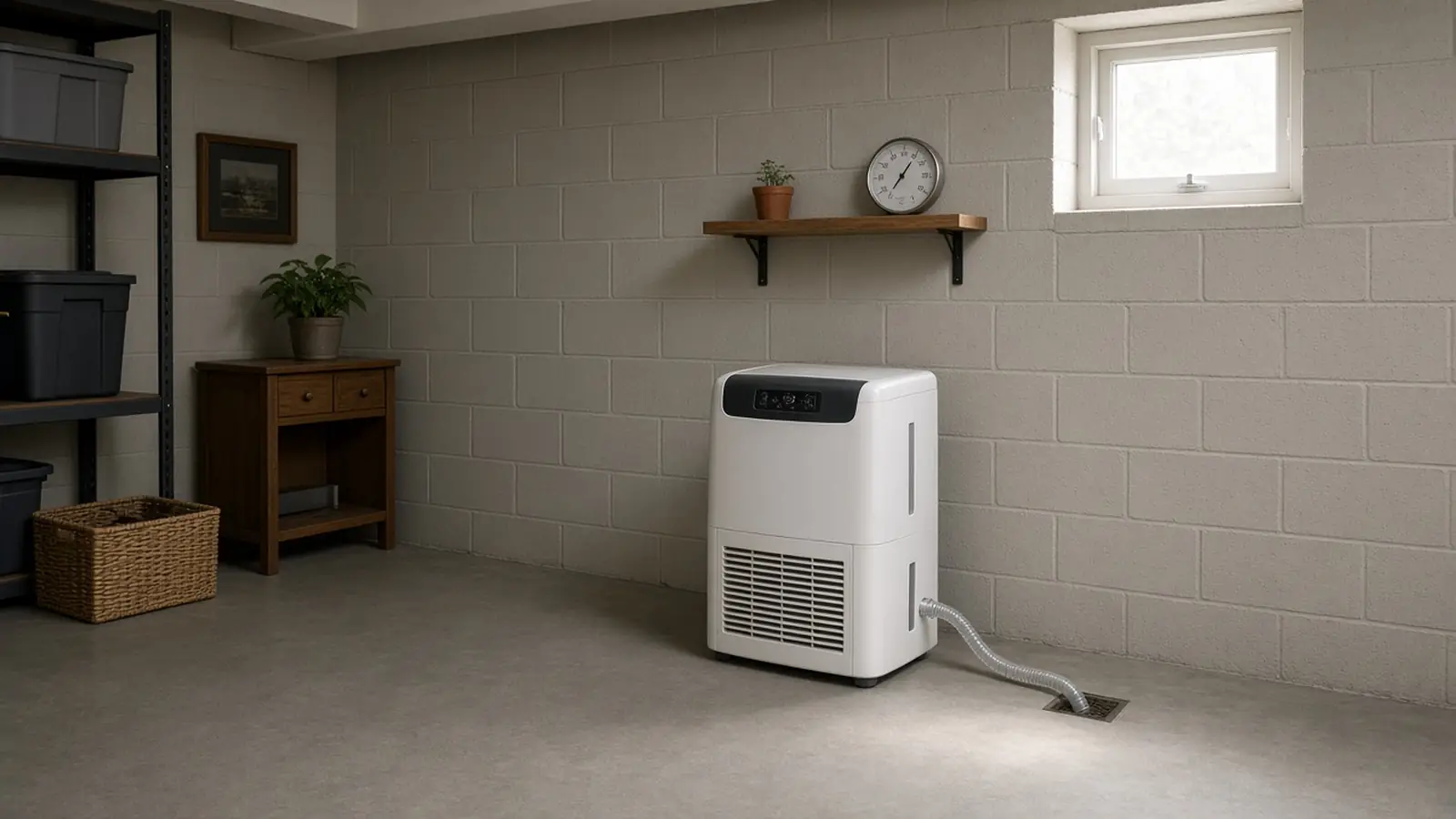
No. Humidity and condensation come from moist air, especially in summer, when warm humid air meets cool basement walls. Leaks bring liquid water from the soil. A dehumidifier handles humidity; drainage and repairs handle leaks. Many Rochester basements need both. The EPA recommends keeping indoor humidity below 60 percent.
What should be in my contract?
New York requires a written contract for home improvement jobs over $500. It should include the contractor's contact information, the work and materials, start and completion dates, the price and payment schedule, how deposits are handled and notice of your three-day right to cancel. The NY Attorney General's fact sheet has details.